Many businesses receive funding shortly after approval
Built to help businesses explore realistic financing options
Business owners trust EquipFlow to simplify financing decisions
National and specialty lenders across industries
Your fastest route to the right lender — and the equipment your business needs.
Share your equipment type, business info, and location — it takes less than 60 seconds.
We instantly compare national and specialty lenders to find your best funding options.
Review offers, choose your lender, and get approved with fast turnaround times.
Tractor cost discussions always focus on the sticker price, but here's what dealers won't tell you: that 0% APR deal on your new tractor probably costs you more than a 5% loan. We analyzed manufacturer financing programs across John Deere, Kubota, New Holland, and regional dealers, and found something surprising—dealers routinely mark up the financed price 10-15% over what a cash buyer pays, turning a $35,000 tractor into a $40,250 purchase.
Here's the math that matters: $35,000 financed at 0% for 60 months costs $40,250 total. That same See the rate-by-tier table above for monthly payment estimates by credit profile. The "free" financing actually costs you $1,418 more. This markup strategy works because most buyers focus on monthly payments, not total cost.
In our experience matching contractors and farmers with equipment lenders, 90% of buyers make financing decisions based on incomplete information. They don't know the actual APR ranges by credit tier (A-tier: 5-8%, B-tier: 8-12%, startup: 10-15%), they guess at down payment requirements instead of knowing the dollar amounts ($0-$30,000+ depending on price and credit), and they never compare the true total cost of dealer 0% deals versus independent financing on the cash discount price.
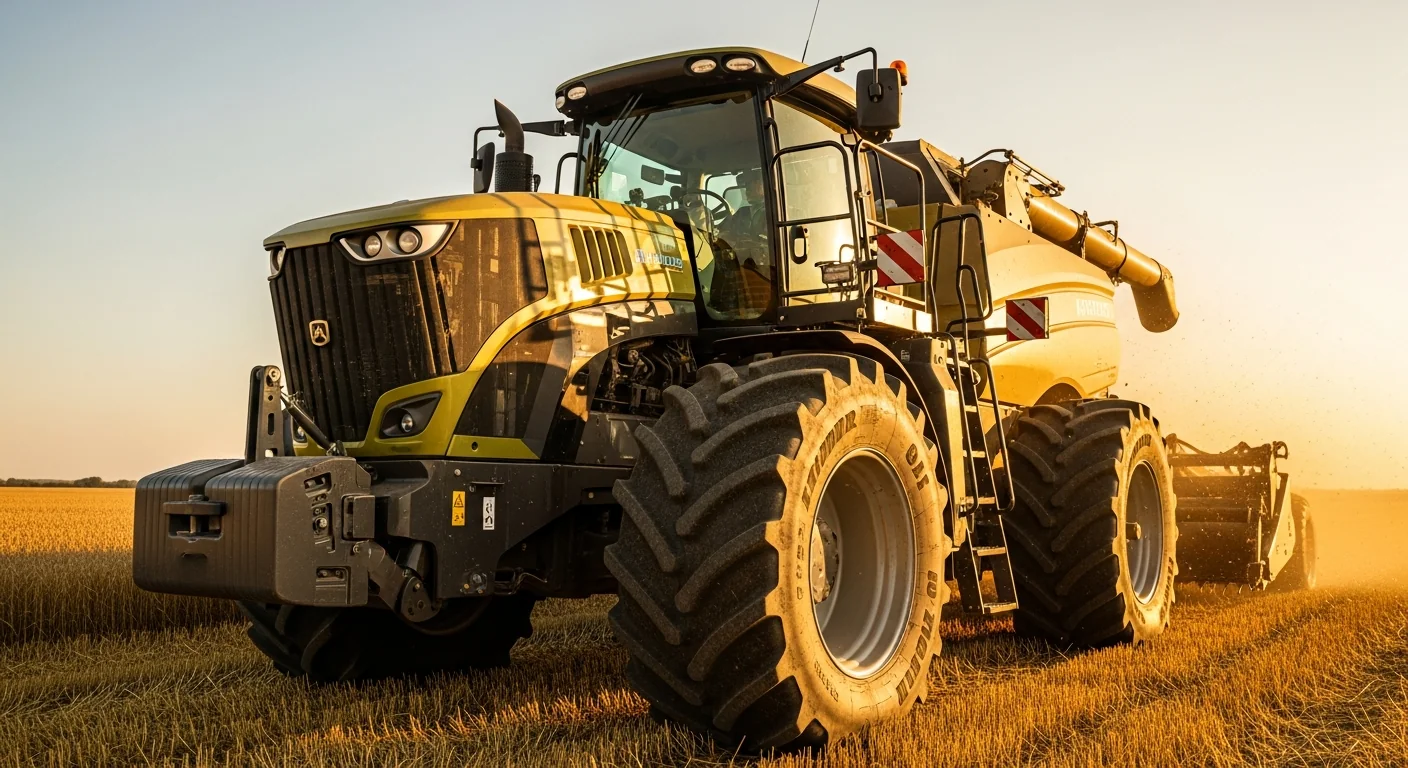
Tractor pricing has three distinct tiers, and understanding where your needs fall determines both your financing options and down payment requirements. Here's what we're seeing across dealer networks nationwide:
Entry-level sub-compact tractors (15-25 HP) start around $18,000 for basic models like the Kubota BX series or John Deere 1025R. According to EquipFlow's analysis of IRS data, a $18,157 tractor purchase generates $4,539-$6,355 in Section 179 tax savings depending on your bracket (25%-35%), creating immediate cash flow recovery of 21% of the purchase price.
True compact tractors (25-45 HP) with loader and backhoe attachments typically run $25,000-$40,000. These machines handle most small farm and property maintenance tasks, making them the sweet spot for first-time buyers. Financing breaks even versus renting at just 18 months—compact tractor rentals cost $1,620-$1,700 monthly while financing the same capability costs approximately $520 monthly at 0% APR over 60 months.
The math says you should own it: at these price points, building equity through financing creates wealth while renting builds zero equity. Stop throwing $1,130 monthly into someone else's pocket when you could own the asset and capture the tax benefits. Our lender network specializes in compact tractor financing with terms that often beat manufacturer promotional rates.
Mid-size utility tractors (45-100 HP) represent the largest financing segment. These workhorses handle serious farming, construction support, and commercial landscaping. New models from John Deere (5E and 6M series), Kubota (M series), and New Holland (T4 series) fall into this range.
This price segment offers the most financing competition. A-tier borrowers (720+ credit) typically qualify for manufacturer 0% programs, bank rates of 5-8% APR, and credit union rates of 4.5-7.5% APR. B-tier borrowers (650-719 credit) see 8-12% APR from banks and agricultural lenders.
Here's where smart financing strategy matters most: that $75,000 utility tractor generates $18,750-$26,250 in immediate Section 179 tax savings, effectively reducing your net cost to $48,750-$56,250. When our lender network competes for your business in this segment, rate differences of 1-2% can save thousands over the loan term.
High-horsepower tractors (100+ HP) for serious agricultural operations start at $120,000 and can exceed $500,000 for the largest models. A $220,263 tractor generates substantial Section 179 benefits—according to EquipFlow's analysis of IRS data, this creates $55,066-$77,092 in Year 1 tax savings across different brackets.
At these investment levels, stop building zero equity through leasing or rental arrangements. The depreciation you're worried about becomes your tax shield, while the asset appreciation in a strong agricultural economy builds long-term wealth. Our specialized agricultural lenders understand these economics and structure loans to maximize both cash flow and tax benefits.
Manufacturer 0% APR programs sound attractive, but dealers compensate for the subsidized rate by inflating the purchase price 10-15% above cash discount pricing. This markup strategy works because buyers focus on monthly payments rather than total cost.
Let me show you the real math. Take a $35,000 cash-price tractor:
- 0% APR deal: $40,250 financed price ÷ 60 months = $671 monthly, $40,250 total
- Credit union at 4.5% APR: $35,000 cash price + interest = $639 monthly, $38,832 total
- The 0% deal costs you $1,418 more
This happens because dealers negotiate different prices for cash versus financed purchases. Always ask for the cash discount price first, then calculate whether financing that amount at current market rates beats the 0% deal on the inflated price.
0% financing makes sense when dealers offer the same price to cash and finance buyers, or when the markup is minimal (under 5%). Some manufacturers run genuine 0% promotions during slow sales periods without price inflation. Always verify by requesting written quotes for both cash and financed pricing.
This is exactly why our lender matching service exists—to give you leverage with dealers by showing them you have competitive financing alternatives. When dealers know you're not dependent on their finance office, they're more likely to offer genuine cash discount pricing. Let our network compete for your business, then use that leverage to negotiate the best total deal.
Understanding APR ranges by credit tier helps set realistic expectations and identifies your best financing sources:
Prime borrowers access manufacturer 0% promotions, bank rates of 5-8% APR, and credit union rates often 0.5-1% below bank rates. Down payment requirements: 0-10% for new tractors, 10-15% for used equipment over 5 years old.
Best sources: Manufacturer finance programs (John Deere Financial, Kubota Credit, AGCO Finance), agricultural credit unions, and community banks with farm lending focus.
Near-prime borrowers see 8-12% APR from banks and agricultural lenders. Manufacturer programs may require larger down payments (15-20%) but often provide competitive rates. Used equipment financing becomes more challenging over 7 years old.
Best sources: Regional agricultural banks, farm credit associations, and online equipment lenders specializing in near-prime credit.
Challenged credit borrowers have options through SBA programs and specialty agricultural lenders. The SBA Microloan program provides up to $50,000—suitable for compact tractor purchases—while larger operations can access SBA 7(a) loans up to $5,000,000 for equipment financing.
Down payment requirements increase to 15-25%, and loan terms may be shorter (36-60 months versus 84 months for prime credit). However, these programs exist specifically to help beginning farmers and small business owners access equipment financing.Regardless of your credit tier, having multiple lenders compete for your business typically reduces your rate by 0.5-2 percentage points. Our network includes lenders in all these categories, ensuring you get the best available rate for your credit profile.
Down payment confusion creates the biggest financing friction for tractor buyers. Here are the actual cash amounts you need:
Manufacturer 0% programs often require zero down for borrowers with 700+ credit scores and verified agricultural income. However, this "benefit" comes with the price markup discussed earlier. True $0 down without price inflation is rare but exists during promotional periods.
$18,000 compact tractor:
- 0% down: $0 (if qualified)
- 10% down: $1,800
- 20% down: $3,600
$35,000 compact/utility tractor:
- 0% down: $0 (if qualified)
- 10% down: $3,500
- 20% down: $7,000
$75,000 utility tractor:
- 0% down: $0 (rare)
- 10% down: $7,500
- 20% down: $15,000
$150,000 row crop tractor:
- 0% down: $0 (very rare)
- 10% down: $15,000
- 20% down: $30,000
B-tier and startup credit typically requires the higher end of these ranges, while A-tier credit may qualify for lower down payments or manufacturer promotional programs.
Loan term selection significantly impacts both monthly payments and total interest paid. Here's how a $50,000 tractor purchase at 7% APR varies across different terms:
36 months: $1,544 monthly, $5,584 total interest, $55,584 total cost
48 months: $1,197 monthly, $7,456 total interest, $57,456 total cost
60 months: $990 monthly, $9,405 total interest, $59,405 total cost
72 months: $853 monthly, $11,416 total interest, $61,416 total cost
84 months: $756 monthly, $13,504 total interest, $63,504 total cost
Extending from 60 to 84 months saves $234 monthly but costs an additional $4,099 in interest. The 60-month term offers the best balance of affordable payments and reasonable total cost for most buyers.
Most lenders offer their best rates for 60-month terms, balancing cash flow relief with reasonable interest costs. Terms under 48 months often carry rate premiums, while terms over 72 months may require higher down payments due to depreciation concerns.
According to IRS Publication 946, the 2026 Section 179 deduction limit is $2,560,000, allowing businesses to write off the full purchase price of qualifying tractors in Year 1. This creates immediate cash flow recovery that significantly reduces your net equipment cost.
Based on EquipFlow's analysis of IRS data, here are specific tax savings by tractor price and bracket:
$18,157 tractor:
- 25% bracket: $4,539 savings
- 32% bracket: $5,810 savings
- 35% bracket: $6,355 savings
$220,263 tractor:
- 25% bracket: $55,066 savings
- 32% bracket: $70,484 savings
- 35% bracket: $77,092 savings
This 21% immediate cash recovery creates a liquidity multiplier—every dollar invested generates $0.21 in immediate tax savings, dramatically improving your payback timeline.
For 2026, bonus depreciation allows an additional 20% first-year deduction on new and used equipment after Section 179. This percentage decreases annually under the Tax Cuts and Jobs Act, making 2026 purchases more advantageous than future years.
Any remaining equipment basis after Section 179 and bonus depreciation follows the standard 7-year MACRS schedule, providing additional tax benefits over the equipment's useful life.
For compact tractors, financing becomes more cost-effective than renting at just 18 months of use. Mid-range compact tractors financed at 0% APR cost approximately $520 monthly versus $1,620-$1,700 monthly for equivalent rental units (33-35 HP).
Break-even analysis:
- Monthly financing cost: $520
- Monthly rental cost: $1,650 average
- Monthly savings by owning: $1,130
- Breakeven period: 18 months
Operations using tractors year-round or multiple seasons strongly favor financing over rental. Seasonal use under 4 months annually may still favor short-term rentals.
Tractors depreciate 23-26% in Year 1, then stabilize to 8-12% annually. Three-year residual values typically retain 68% of purchase price for well-maintained units. This depreciation must be factored into true ownership costs, but the equity building still beats rental for extended use periods.
The SBA Microloan program provides up to $50,000 for small farm operations, perfect for compact tractor purchases. These loans often feature lower down payment requirements and competitive rates for borrowers who might not qualify for conventional financing.
Larger operations can access SBA 7(a) loans up to $5,000,000 for equipment purchases. These government-backed loans provide favorable terms and extended repayment periods for qualified agricultural businesses.
The USDA Farm Service Agency offers specialized loan programs for beginning farmers, including equipment financing with reduced down payment requirements and below-market interest rates. These programs specifically target new agricultural operations building their initial equipment fleet.
Smart operators don't guess which lender will approve their deal—they let multiple lenders compete for their business. When 3-4 lenders compete for the same tractor financing, rates typically drop 0.5-2 percentage points. Here's exactly how our matching process works:
Ava analyzes your equipment needs, credit profile, and financing timeline. Unlike generic loan applications, she understands tractor-specific factors like seasonal cash flow, equipment depreciation curves, and manufacturer financing alternatives. You'll specify whether you're looking at new versus used, compact versus utility tractors, and your preferred down payment range.
Based on your profile, Ava connects you with 3-4 lenders from our network who actively finance tractors in your credit tier and price range. These aren't generic equipment lenders—they understand agricultural cash flow cycles, seasonal income patterns, and tractor depreciation schedules. When lenders compete for your business, you get better rates and terms.
Receive detailed proposals showing monthly payments, total interest costs, and APR for different loan terms. See exactly how 60-month versus 84-month financing affects both your monthly budget and total cost. Compare these offers against manufacturer 0% deals to determine your most cost-effective option.
Select the offer that best fits your cash flow and business goals. No pressure, no obligation—you maintain complete control over the decision. Most closings happen within 5-7 business days once you've selected your lender.
Smart operators don't guess which lender will approve their deal—they let multiple lenders compete for their business. When 3-4 lenders compete for the same tractor financing, rates typically drop 0.5-2 percentage points. Here's exactly how our matching process works:
Ava analyzes your equipment needs, credit profile, and financing timeline. Unlike generic loan applications, she understands tractor-specific factors like seasonal cash flow, equipment depreciation curves, and manufacturer financing alternatives. You'll specify whether you're looking at new versus used, compact versus utility tractors, and your preferred down payment range.
Based on your profile, Ava connects you with 3-4 lenders from our network who actively finance tractors in your credit tier and price range. These aren't generic equipment lenders—they understand agricultural cash flow cycles, seasonal income patterns, and tractor depreciation schedules. When lenders compete for your business, you get better rates and terms.
Receive detailed proposals showing monthly payments, total interest costs, and APR for different loan terms. See exactly how 60-month versus 84-month financing affects both your monthly budget and total cost. Compare these offers against manufacturer 0% deals to determine your most cost-effective option.
Select the offer that best fits your cash flow and business goals. No pressure, no obligation—you maintain complete control over the decision. Most closings happen within 5-7 business days once you've selected your lender.
Smart operators don't guess which lender will approve their deal—they let multiple lenders compete for their business. When 3-4 lenders compete for the same tractor financing, rates typically drop 0.5-2 percentage points. Here's exactly how our matching process works:
Ava analyzes your equipment needs, credit profile, and financing timeline. Unlike generic loan applications, she understands tractor-specific factors like seasonal cash flow, equipment depreciation curves, and manufacturer financing alternatives. You'll specify whether you're looking at new versus used, compact versus utility tractors, and your preferred down payment range.
Based on your profile, Ava connects you with 3-4 lenders from our network who actively finance tractors in your credit tier and price range. These aren't generic equipment lenders—they understand agricultural cash flow cycles, seasonal income patterns, and tractor depreciation schedules. When lenders compete for your business, you get better rates and terms.
Receive detailed proposals showing monthly payments, total interest costs, and APR for different loan terms. See exactly how 60-month versus 84-month financing affects both your monthly budget and total cost. Compare these offers against manufacturer 0% deals to determine your most cost-effective option.
Select the offer that best fits your cash flow and business goals. No pressure, no obligation—you maintain complete control over the decision. Most closings happen within 5-7 business days once you've selected your lender.
Most tractor buyers waste time applying to the wrong lenders or accept the first offer they receive. When lenders compete for your business, you get better rates, terms, and service. Here's why our matching approach saves you money:
When 3-4 specialized agricultural lenders compete for the same deal, rates typically drop 0.5-2 percentage points below standard offers. Our network includes manufacturer finance companies, agricultural banks, credit unions, and SBA-approved lenders who actively compete for tractor financing business. This competition benefits you through lower rates and better terms.
Generic equipment lenders often reject tractor financing over certain age limits or for specific use cases. Ava matches you with lenders who understand agricultural equipment depreciation curves, seasonal cash flow patterns, and farming operation requirements. Banks that reject 67% of used equipment loans over 7 years old might be perfect for your 3-year-old utility tractor.
Every day without proper equipment costs you revenue and efficiency. Ava analyzes your situation and connects you with pre-qualified lenders within 24-48 hours, not weeks. Seasonal timing matters in agriculture—spring planting and fall harvest periods require quick equipment decisions.
Our lender network understands Section 179 deductions, bonus depreciation, and agricultural tax strategies. They can structure loans to maximize your tax benefits while meeting your cash flow requirements. This specialized knowledge often saves more money than rate shopping alone.
Receiving multiple offers doesn't obligate you to any lender. Compare manufacturer 0% deals against independent financing, evaluate different loan terms, and choose the option that best fits your operation. Many buyers discover that independent financing on the cash discount price beats manufacturer promotional rates.
Most tractor buyers waste time applying to the wrong lenders or accept the first offer they receive. When lenders compete for your business, you get better rates, terms, and service. Here's why our matching approach saves you money:
When 3-4 specialized agricultural lenders compete for the same deal, rates typically drop 0.5-2 percentage points below standard offers. Our network includes manufacturer finance companies, agricultural banks, credit unions, and SBA-approved lenders who actively compete for tractor financing business. This competition benefits you through lower rates and better terms.
Generic equipment lenders often reject tractor financing over certain age limits or for specific use cases. Ava matches you with lenders who understand agricultural equipment depreciation curves, seasonal cash flow patterns, and farming operation requirements. Banks that reject 67% of used equipment loans over 7 years old might be perfect for your 3-year-old utility tractor.
Every day without proper equipment costs you revenue and efficiency. Ava analyzes your situation and connects you with pre-qualified lenders within 24-48 hours, not weeks. Seasonal timing matters in agriculture—spring planting and fall harvest periods require quick equipment decisions.
Our lender network understands Section 179 deductions, bonus depreciation, and agricultural tax strategies. They can structure loans to maximize your tax benefits while meeting your cash flow requirements. This specialized knowledge often saves more money than rate shopping alone.
Receiving multiple offers doesn't obligate you to any lender. Compare manufacturer 0% deals against independent financing, evaluate different loan terms, and choose the option that best fits your operation. Many buyers discover that independent financing on the cash discount price beats manufacturer promotional rates.
Most tractor buyers waste time applying to the wrong lenders or accept the first offer they receive. When lenders compete for your business, you get better rates, terms, and service. Here's why our matching approach saves you money:
When 3-4 specialized agricultural lenders compete for the same deal, rates typically drop 0.5-2 percentage points below standard offers. Our network includes manufacturer finance companies, agricultural banks, credit unions, and SBA-approved lenders who actively compete for tractor financing business. This competition benefits you through lower rates and better terms.
Generic equipment lenders often reject tractor financing over certain age limits or for specific use cases. Ava matches you with lenders who understand agricultural equipment depreciation curves, seasonal cash flow patterns, and farming operation requirements. Banks that reject 67% of used equipment loans over 7 years old might be perfect for your 3-year-old utility tractor.
Every day without proper equipment costs you revenue and efficiency. Ava analyzes your situation and connects you with pre-qualified lenders within 24-48 hours, not weeks. Seasonal timing matters in agriculture—spring planting and fall harvest periods require quick equipment decisions.
Our lender network understands Section 179 deductions, bonus depreciation, and agricultural tax strategies. They can structure loans to maximize your tax benefits while meeting your cash flow requirements. This specialized knowledge often saves more money than rate shopping alone.
Receiving multiple offers doesn't obligate you to any lender. Compare manufacturer 0% deals against independent financing, evaluate different loan terms, and choose the option that best fits your operation. Many buyers discover that independent financing on the cash discount price beats manufacturer promotional rates.
Most tractor buyers waste time applying to the wrong lenders or accept the first offer they receive. When lenders compete for your business, you get better rates, terms, and service. Here's why our matching approach saves you money:
When 3-4 specialized agricultural lenders compete for the same deal, rates typically drop 0.5-2 percentage points below standard offers. Our network includes manufacturer finance companies, agricultural banks, credit unions, and SBA-approved lenders who actively compete for tractor financing business. This competition benefits you through lower rates and better terms.
Generic equipment lenders often reject tractor financing over certain age limits or for specific use cases. Ava matches you with lenders who understand agricultural equipment depreciation curves, seasonal cash flow patterns, and farming operation requirements. Banks that reject 67% of used equipment loans over 7 years old might be perfect for your 3-year-old utility tractor.
Every day without proper equipment costs you revenue and efficiency. Ava analyzes your situation and connects you with pre-qualified lenders within 24-48 hours, not weeks. Seasonal timing matters in agriculture—spring planting and fall harvest periods require quick equipment decisions.
Our lender network understands Section 179 deductions, bonus depreciation, and agricultural tax strategies. They can structure loans to maximize your tax benefits while meeting your cash flow requirements. This specialized knowledge often saves more money than rate shopping alone.
Receiving multiple offers doesn't obligate you to any lender. Compare manufacturer 0% deals against independent financing, evaluate different loan terms, and choose the option that best fits your operation. Many buyers discover that independent financing on the cash discount price beats manufacturer promotional rates.
.png)