Many businesses receive funding shortly after approval
Built to help businesses explore realistic financing options
Business owners trust EquipFlow to simplify financing decisions
National and specialty lenders across industries
Your fastest route to the right lender — and the equipment your business needs.
Share your equipment type, business info, and location — it takes less than 60 seconds.
We instantly compare national and specialty lenders to find your best funding options.
Review offers, choose your lender, and get approved with fast turnaround times.
Trailer for sale listings flood the market—but here's what every contractor buying a $12,500 dump trailer discovers too late: that dealer's 'easy financing' at 14.9% APR with a $3,125 down payment costs $17,800 total versus the $14,700 you'd pay with competitive lender rates at 6.5%. That's $3,100 in unnecessary interest because you didn't shop around.
What's worse? You're bleeding $150 per rental day while hunting for the right trailer—$750 per week, $3,000 per month with zero equity building. Based on EquipFlow's analysis of rental costs versus ownership, contractors break even in just 10 months when financing a trailer instead of renting. After that? You're pocketing $6,000+ annually that would otherwise drain into rental fees.
But here's the math that changes everything: according to IRS Publication 946, the Section 179 deduction lets you write off the full purchase price—up to $2,560,000 for 2026—yielding immediate tax savings of $3,077 to $4,308 on a typical $12,310 trailer purchase depending on your tax bracket. Smart operators aren't asking whether they can afford to finance—they're asking whether they can afford not to.
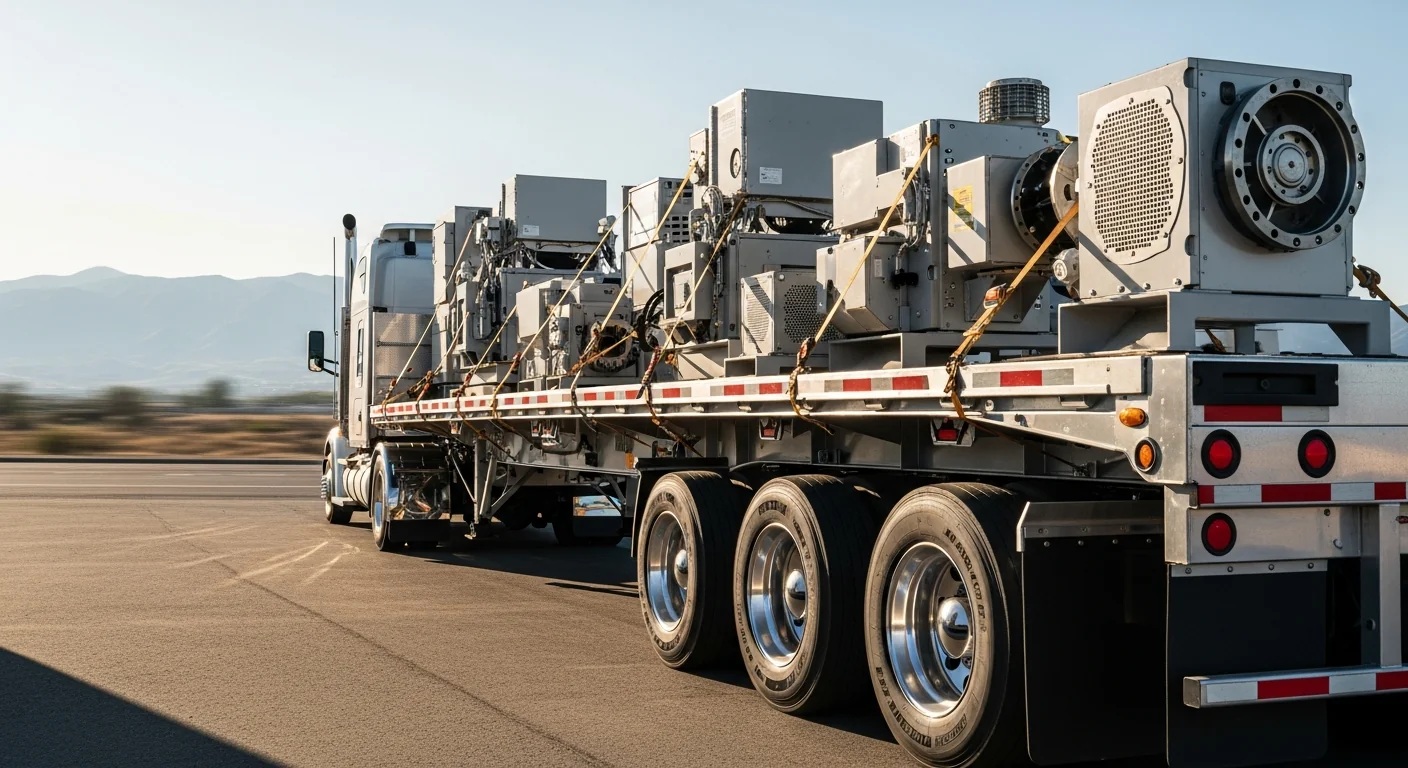
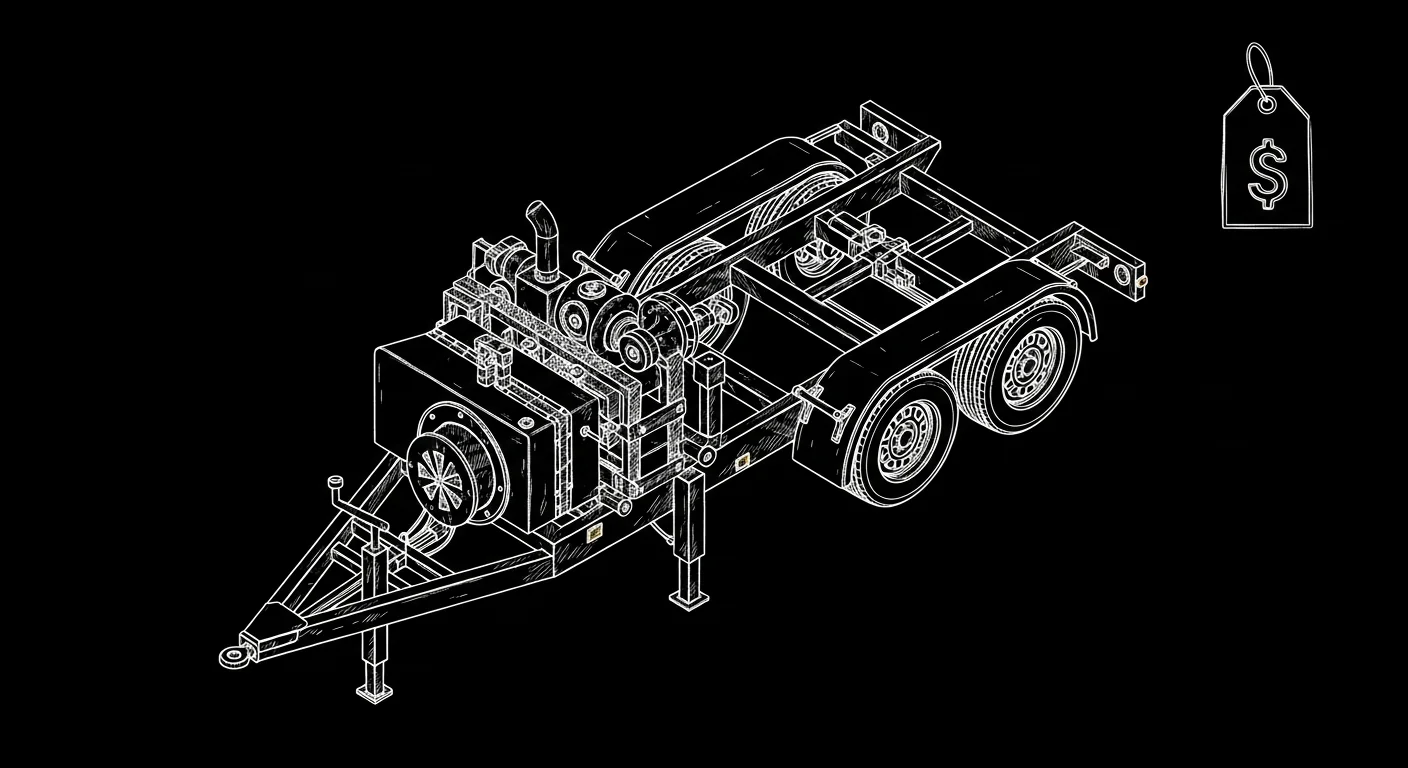
Trailer for sale pricing varies dramatically based on type, size, and features. Here's what you'll actually pay in 2026:
Basic 4x6 utility trailers start around $1,200-$2,500 for lightweight models suitable for landscaping debris or household moves. Step up to a 5x10 utility trailer for sale, and expect $2,000-$4,500 depending on weight capacity and side height. The sweet spot for most contractors? A 16-foot utility trailer ranging from $4,500-$8,000, offering the payload capacity for equipment hauling without requiring CDL licensing.
A 7x14 utility trailer for sale in enclosed format typically runs $6,500-$12,000, offering weather protection and theft security that open trailers can't match. Factor in the annual insurance savings—enclosed trailers often qualify for lower commercial rates due to reduced theft risk.
Dump trailers command $8,000-$18,000 depending on hydraulic capacity and bed size. A car trailer near me for sale ranges from $3,500 for basic tilt-bed models to $12,000+ for hydraulic car haulers. Gooseneck trailers push into the $15,000-$35,000+ range due to their heavy-duty construction and higher payload ratings.
Here's what no other trailer site tells you—the real APR ranges by credit tier that determine your monthly payment:
Qualified borrowers with strong credit see the best rates. On a $12,500 trailer financed at 6.5% over 60 months, expect monthly payments around $245. Total cost: approximately $14,700, meaning you'll pay $2,200 in interest. The key advantage? A-tier borrowers often qualify for 100% financing with zero down payment, preserving working capital for business operations.
Most small business owners fall into this range. The same $12,500 trailer at 10.5% over 60 months costs approximately $269 monthly. Expect down payment requirements of 10%-15% ($1,250-$1,875). Total cost increases to roughly $16,140—an additional $3,640 in interest compared to A-tier rates.
New businesses under two years typically face higher rates and shorter terms. That $12,500 trailer at 14% over 48 months jumps to $341 monthly with down payments of 15%-25% ($1,875-$3,125). However, the SBA Microloan Program offers up to $50,000 for qualifying small businesses and startups, potentially providing more favorable terms than conventional equipment financing.
Based on EquipFlow's analysis of ownership versus rental costs, the math is clear. A $12,500 trailer financed at 7.74% over 60 months costs $248 monthly. Compare this to commercial trailer rentals at $25 per day—if you rent 10 days per month, you're paying $250 in rental fees with zero equity building. Break-even occurs at just 10 months, after which you're saving $3,000+ annually versus continued renting.
Most contractors think paying cash eliminates interest costs. Here's the math they miss: finance that $15,000 trailer at 6.5% (costing roughly $900 in annual interest), and invest your $15,000 cash into jobs generating 15% annual returns. You earn $2,250 per year on deployed capital versus $900 in financing costs—a net profit of $1,350 annually before considering tax advantages.
A new $12,000 trailer financed at 6.5% over 60 months costs $235 monthly with a total cost of $14,100. Compare this to a 2016 utility trailer for sale at $8,000: most lenders cap used trailer financing at 10-15 years with rates 2%-4% higher and shorter terms. At 11% over 36 months, that "cheaper" used trailer costs $262 monthly—$27 more per month than the new trailer while building equity slower and offering shorter remaining useful life.
According to IRS Publication 946, the Section 179 deduction limit for 2026 is $2,560,000, allowing businesses to write off the entire trailer purchase price in the year it's placed in service. Based on EquipFlow's analysis of IRS data, a $12,310 trailer purchase generates tax savings of $3,077 at the 25% tax bracket, $3,939 at the 32% bracket, and $4,308 at the 35% bracket.
This immediate tax relief effectively reduces your net trailer cost by 25%-35% in Year One—making financing mathematically superior to saving cash for most business buyers. The trailer must be used more than 50% for business purposes and placed in service during the tax year to qualify.
For 2026, bonus depreciation allows an additional 20% first-year deduction on qualifying new and used equipment. While this rate has decreased from previous years (it was 100% in 2022), it still provides substantial tax advantages when combined with strategic financing. Business owners should consult with their tax advisors to optimize the combination of Section 179 and bonus depreciation for their specific situations.
For businesses in the 21% corporate tax bracket, every dollar invested in qualifying equipment generates 21 cents in immediate cash flow recovery through Section 179 deductions. On a $27,249 trailer purchase, this creates $5,722 in immediate Year One tax savings—a liquidity multiplier that significantly improves acquisition ROI while preserving working capital for operations.
Beyond credit scores, lenders examine time in business (standard requirement: 2 years), annual revenue relative to requested financing, debt service coverage ratios, and down payment capability. For trailer financing specifically, the equipment serves as collateral, reducing lender risk and improving approval odds even for newer businesses.### Startup Financing Paths Under 2 YearsNew businesses have several options beyond traditional bank financing. The SBA Microloan Program provides up to $50,000 specifically for small businesses and startups, often with more flexible terms than conventional lenders. Equipment-backed financing treats the trailer as collateral, while the SBA 7(a) program offers up to $5,000,000 for established businesses needing larger equipment packages.
Prepare these documents before applying: business license and EIN, three months of business bank statements, personal driver's license, equipment quote or dealer invoice, tax returns if available, and a brief business plan for startups. Having complete documentation ready accelerates approval timelines and demonstrates financial organization to lenders.
Trailers over 10,001 pounds GVWR used in interstate commerce require USDOT number registration, adding approximately $300 to your initial costs. The USDOT number must be displayed on both sides of the trailer, and failure to comply can result in significant fines during DOT inspections.
When your truck and trailer combination exceeds 26,000 pounds GCVWR, you'll need a Class A Commercial Driver's License. Training and testing typically cost $1,500-$3,000, a significant factor when considering large gooseneck or equipment trailers. Budget accordingly if your intended trailer pushes you into CDL territory.
Lenders require full coverage insurance on financed trailers, adding $400-$1,200 annually to operating costs depending on trailer value and intended use. According to current OSHA standards, commercial equipment used by employees must meet workplace safety requirements, with serious violations carrying penalties up to $16,550. Ensure your trailer selection and use protocols comply with applicable safety regulations to avoid costly penalties.
Skip the dealer markup games and credit guesswork. Here's how our lender-matching process gets you competing offers in 24-48 hours:
Ava, our AI advisor, analyzes your specific equipment needs, credit profile, and business financials. Unlike generic loan applications, she understands that a landscaper's seasonal cash flow differs from a contractor's project-based income—and matches you accordingly.
Instead of hoping one bank says yes, Ava connects you with multiple lenders who actually want your trailer financing business. When lenders compete for the same deal, rates typically drop 0.5-2 percentage points compared to dealer financing or single-bank applications.
See exactly how each offer affects your monthly cash flow, total interest paid, and tax advantages. A 1% rate difference on a $15,000 trailer saves you $800+ over the loan term—enough to fund equipment maintenance or additional jobs.
You control the decision. No pressure, no obligation, no credit impact until you're ready to move forward. Most borrowers close within 48-72 hours once they select their preferred lender.
Skip the dealer markup games and credit guesswork. Here's how our lender-matching process gets you competing offers in 24-48 hours:
Ava, our AI advisor, analyzes your specific equipment needs, credit profile, and business financials. Unlike generic loan applications, she understands that a landscaper's seasonal cash flow differs from a contractor's project-based income—and matches you accordingly.
Instead of hoping one bank says yes, Ava connects you with multiple lenders who actually want your trailer financing business. When lenders compete for the same deal, rates typically drop 0.5-2 percentage points compared to dealer financing or single-bank applications.
See exactly how each offer affects your monthly cash flow, total interest paid, and tax advantages. A 1% rate difference on a $15,000 trailer saves you $800+ over the loan term—enough to fund equipment maintenance or additional jobs.
You control the decision. No pressure, no obligation, no credit impact until you're ready to move forward. Most borrowers close within 48-72 hours once they select their preferred lender.
Skip the dealer markup games and credit guesswork. Here's how our lender-matching process gets you competing offers in 24-48 hours:
Ava, our AI advisor, analyzes your specific equipment needs, credit profile, and business financials. Unlike generic loan applications, she understands that a landscaper's seasonal cash flow differs from a contractor's project-based income—and matches you accordingly.
Instead of hoping one bank says yes, Ava connects you with multiple lenders who actually want your trailer financing business. When lenders compete for the same deal, rates typically drop 0.5-2 percentage points compared to dealer financing or single-bank applications.
See exactly how each offer affects your monthly cash flow, total interest paid, and tax advantages. A 1% rate difference on a $15,000 trailer saves you $800+ over the loan term—enough to fund equipment maintenance or additional jobs.
You control the decision. No pressure, no obligation, no credit impact until you're ready to move forward. Most borrowers close within 48-72 hours once they select their preferred lender.
Dealer financing often carries 2-4% higher rates than competitive lenders because you're a captive customer with no alternatives. When multiple lenders compete for your trailer financing, rates typically drop 0.5-2 percentage points. On a $15,000 trailer, that's $800-$1,600 in total interest savings—enough to fund maintenance, insurance, or additional equipment purchases.
Our AI advisor understands that banks reject 67% of used equipment loans over certain age thresholds, but specialty lenders focus specifically on equipment financing with more flexible criteria. Ava matches your specific trailer type, age, and business profile with lenders who actually approve these deals, avoiding the frustration of multiple rejections from generic banks.
Every day without proper equipment costs money. At $150 per rental day, waiting two weeks for bank approval costs $2,100 in rental fees. Ava's matching process delivers competing offers within 24-48 hours, letting you secure financing and acquire equipment before rental costs spiral out of control.
Traditional loan applications trigger hard credit inquiries whether you're approved or denied. EquipFlow's initial matching process has no credit impact, letting you explore options without damaging your credit score. You only commit when you've seen competing offers and selected the best terms for your situation.
Dealer financing often carries 2-4% higher rates than competitive lenders because you're a captive customer with no alternatives. When multiple lenders compete for your trailer financing, rates typically drop 0.5-2 percentage points. On a $15,000 trailer, that's $800-$1,600 in total interest savings—enough to fund maintenance, insurance, or additional equipment purchases.
Our AI advisor understands that banks reject 67% of used equipment loans over certain age thresholds, but specialty lenders focus specifically on equipment financing with more flexible criteria. Ava matches your specific trailer type, age, and business profile with lenders who actually approve these deals, avoiding the frustration of multiple rejections from generic banks.
Every day without proper equipment costs money. At $150 per rental day, waiting two weeks for bank approval costs $2,100 in rental fees. Ava's matching process delivers competing offers within 24-48 hours, letting you secure financing and acquire equipment before rental costs spiral out of control.
Traditional loan applications trigger hard credit inquiries whether you're approved or denied. EquipFlow's initial matching process has no credit impact, letting you explore options without damaging your credit score. You only commit when you've seen competing offers and selected the best terms for your situation.
Dealer financing often carries 2-4% higher rates than competitive lenders because you're a captive customer with no alternatives. When multiple lenders compete for your trailer financing, rates typically drop 0.5-2 percentage points. On a $15,000 trailer, that's $800-$1,600 in total interest savings—enough to fund maintenance, insurance, or additional equipment purchases.
Our AI advisor understands that banks reject 67% of used equipment loans over certain age thresholds, but specialty lenders focus specifically on equipment financing with more flexible criteria. Ava matches your specific trailer type, age, and business profile with lenders who actually approve these deals, avoiding the frustration of multiple rejections from generic banks.
Every day without proper equipment costs money. At $150 per rental day, waiting two weeks for bank approval costs $2,100 in rental fees. Ava's matching process delivers competing offers within 24-48 hours, letting you secure financing and acquire equipment before rental costs spiral out of control.
Traditional loan applications trigger hard credit inquiries whether you're approved or denied. EquipFlow's initial matching process has no credit impact, letting you explore options without damaging your credit score. You only commit when you've seen competing offers and selected the best terms for your situation.
Dealer financing often carries 2-4% higher rates than competitive lenders because you're a captive customer with no alternatives. When multiple lenders compete for your trailer financing, rates typically drop 0.5-2 percentage points. On a $15,000 trailer, that's $800-$1,600 in total interest savings—enough to fund maintenance, insurance, or additional equipment purchases.
Our AI advisor understands that banks reject 67% of used equipment loans over certain age thresholds, but specialty lenders focus specifically on equipment financing with more flexible criteria. Ava matches your specific trailer type, age, and business profile with lenders who actually approve these deals, avoiding the frustration of multiple rejections from generic banks.
Every day without proper equipment costs money. At $150 per rental day, waiting two weeks for bank approval costs $2,100 in rental fees. Ava's matching process delivers competing offers within 24-48 hours, letting you secure financing and acquire equipment before rental costs spiral out of control.
Traditional loan applications trigger hard credit inquiries whether you're approved or denied. EquipFlow's initial matching process has no credit impact, letting you explore options without damaging your credit score. You only commit when you've seen competing offers and selected the best terms for your situation.
.png)